Our Approach

What this is, and what it is not
This programme was designed by a secondary school student and is delivered by volunteers. It is not medical care, and it is not a substitute for it. That is why the boundaries below are drawn as tightly as they are. We would rather do one narrow thing properly than offer something we are not equipped to give.
Who we work with
People whose drinking is harmful but not medically dependent — a range we establish by screening and a doctor's assessment, not by impression.
Who we do not work with
-
Anyone who screens above our threshold, or shows signs of physical dependence. We help them reach medical services instead.
-
Anyone experiencing withdrawal symptoms — shaking, confusion, seeing or hearing things. That is a medical emergency, not something a support programme addresses.
-
Anyone under 18.
We check this at the start and we keep checking.
If a participant's drinking worsens past the line while they are with us, we say so and help them move to medical care rather than continuing out of loyalty.
What we do
-
Meet weekly, at the same time and place, for six months
-
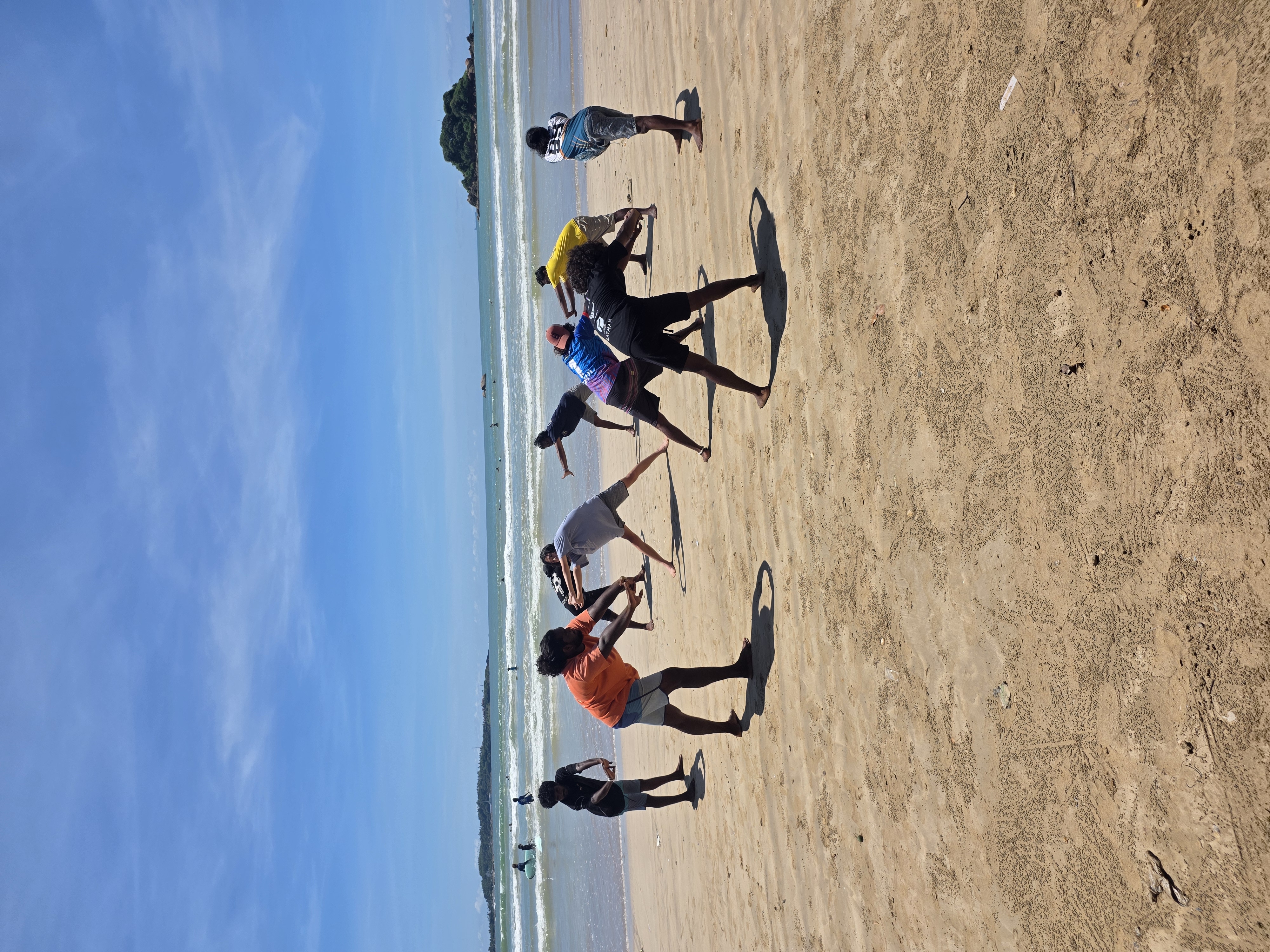
Build a routine around the week — mornings, exercise, a diary, time with other people
-
Help participants reach services that already exist
-
Keep showing up through the weeks when nothing improves
What we do not do
-
We do not provide medical treatment, and we never advise anyone on stopping or reducing alcohol without medical supervision. Withdrawal can be dangerous and requires a doctor.
-
We do not provide clinical counselling, therapy, or any form of diagnosis. Our facilitators are trained in a specific structured method, and that is the limit of what they offer.
-
We do not handle crisis situations ourselves. We refer, immediately.
-
We do not require anyone to stop drinking, and we do not ask anyone to leave for drinking.
-
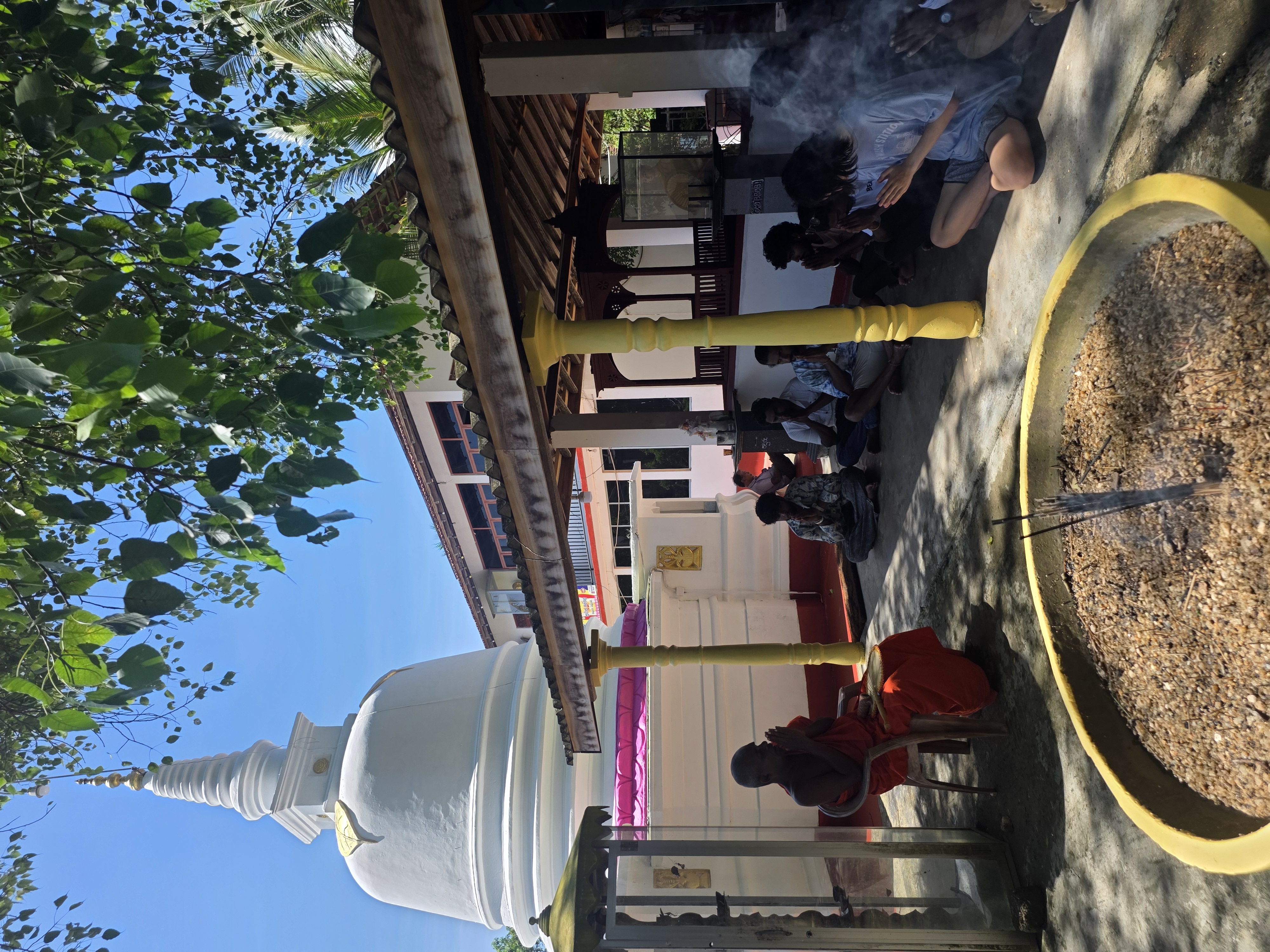
We do not require participation in any religious activity, and nothing we offer depends on it.



Who works directly with participants
Every session is led by an adult facilitator based in Sri Lanka. Our founder attends alongside the facilitator and is never alone with a participant. No session takes place in a private residence, and no one-to-one contact happens outside scheduled sessions — including by phone or message.
During term time our founder is studying abroad, and sessions continue with the facilitator alone on the same schedule. Continuity matters more in recovery than any individual person's presence, and the programme is built so that no participant loses support when one of us is away.
We set this out publicly because a project like ours should be judged on how it protects people, not only on what it intends.
Consent and images
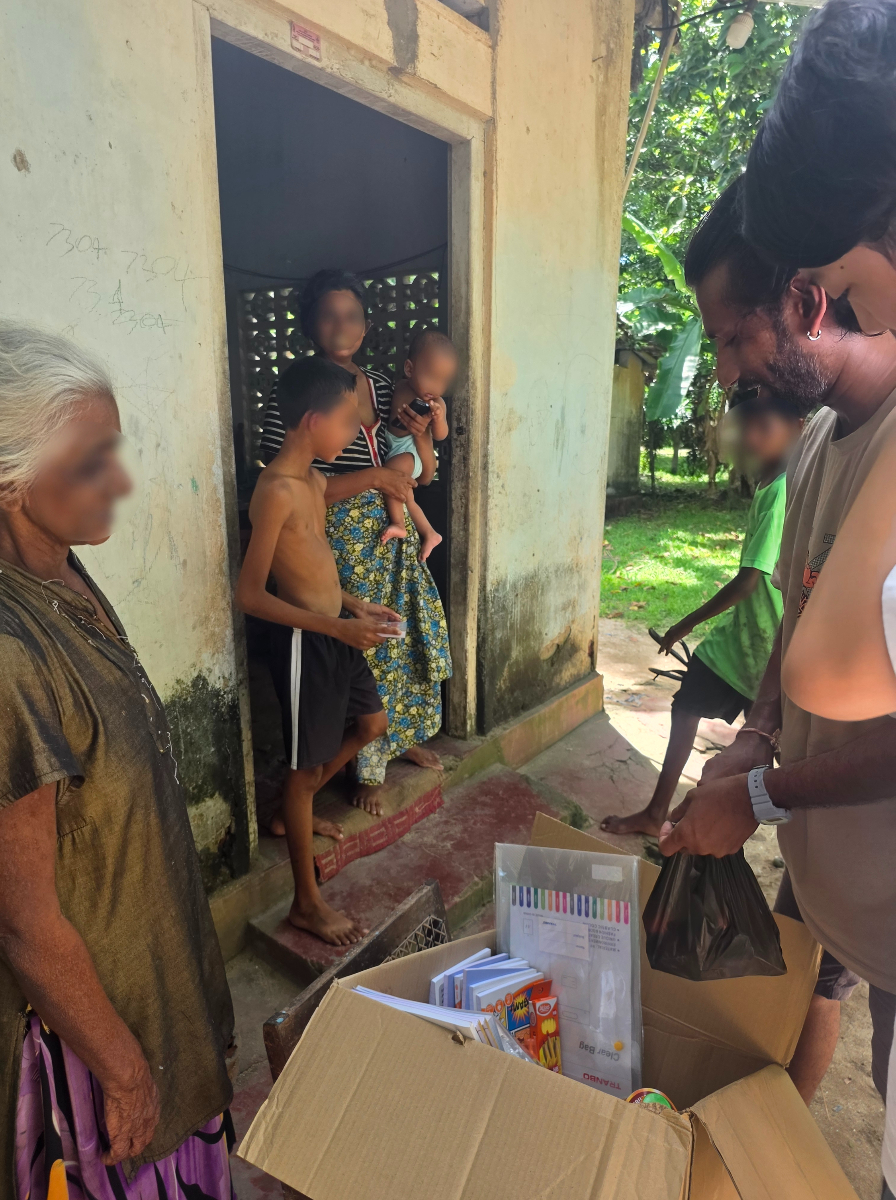
No participant appears in a photograph, a story, or any material on this site without giving permission first. Permission can be withdrawn at any time, for any reason, and withdrawing it has no effect on the support someone receives from us.
Where a participant in our individual programme has consented to appear, we use a pseudonym rather than their real name, and we do not publish details — their village, their workplace, their family — that would identify them to people who know them.
We publish nothing at all about our group programme — no photographs, no names, no individual stories. Asking several people together for permission is not a fair way to ask, because declining in front of the others is not a real option. We would rather lose the material than rely on consent we cannot be confident in.
Confidentiality
What participants tell a facilitator stays with the facilitator. The exception is when someone's life or safety is at risk, in which case we will involve medical services or family. We explain this to every participant before they join, not after.
If you need help now
If you or someone you know is in immediate danger or needs urgent medical attention, please contact local emergency services immediately.
Please contact these services directly rather than waiting for us:
-
National Institute of Mental Health helpline — 1926 (24 hours)
-
ADIC (Alcohol and Drug Information Centre), Colombo — +94 11 258 4416
-
National Dangerous Drugs Control Board (NDDCB) — +94 112 868 794